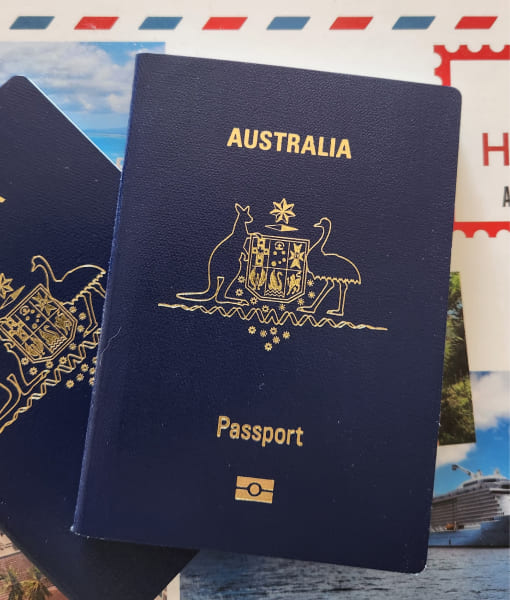
Skills in Demand Visa (Subclass 482)
Overview
The Skills in Demand visa (subclass 482) lets an approved Australian employer sponsor a skilled worker for a temporary role when a suitable Australian worker isn’t available. It replaced the Temporary Skill Shortage (TSS) visa on 7 December 2024. TSS visas that were already granted stay valid until they expire.
The Three Streams
- Specialist Skills stream: for most occupations, except trades, machinery operators and drivers, and labourers, where the salary meets the Specialist Skills Income Threshold (SSIT).
- Core Skills stream: for occupations on the Core Skills Occupation List (CSOL), where the salary meets the Core Skills Income Threshold (CSIT).
- Labour Agreement stream: for occupations covered by a labour agreement between the employer and the Australian Government.
Income Thresholds
New nominations lodged from 1 July 2026 must meet these thresholds:
| Threshold | Amount | Applies to |
|---|---|---|
| Core Skills Income Threshold (CSIT) | AUD79,423 | 482 Core Skills stream and subclass 186 |
| Specialist Skills Income Threshold (SSIT) | AUD146,576 | 482 Specialist Skills stream |
If the salary is less than AUD250,000, the employer must also pay at least the annual market salary rate for the role.
Who Can Apply?
- At least 1 year of relevant work experience in the nominated occupation (or a related field) in the last 5 years. Part-time work counts if it adds up to 12 months full-time.
- A nomination from an approved sponsor, or from a business whose Standard Business Sponsorship application is still being processed.
- A skills assessment, where your occupation or nationality requires one. It must be started before you lodge.
- Adequate health insurance, and the health and character requirements.
- There is no age limit for this visa.
How It Works
- Sponsorship: the employer applies to become a standard business sponsor.
- Labour market testing: where required, the employer advertises the role in Australia (two ads over at least 4 weeks, in the 4 months before nominating).
- Nomination: the employer nominates the position and pays the Skilling Australians Fund levy.
- Visa application: the worker applies for the visa and provides evidence of skills, experience, English and identity.
- Decision: Home Affairs may ask for more information before deciding.
Costs
- Visa application charge: from AUD4,015 for the main applicant.
- Employer costs: standard business sponsorship AUD420 and nomination AUD330.
- Skilling Australians Fund levy: AUD1,200 per year for businesses with turnover under AUD10 million, or AUD1,800 per year for larger businesses.
Sponsorship and nomination costs must be paid by the employer and can’t be passed on to the worker. Figures current at September 2026. Visa charges and income thresholds usually change on 1 July each year, so always check the Department of Home Affairs website before you apply.
Processing Priorities
Since 25 July 2026, Ministerial Direction 119 sets the order in which skilled visas are processed. Law enforcement and defence occupations come first, followed by construction, healthcare and teaching. Applicants already in Australia are prioritised over those offshore.
Speak With Our Team
Every situation is different. Contact Sydney Migration Agents for advice from a registered migration agent about your options.
- Phone: (02) 5550 1234
- Email: hello@sydneymigration.example
- Office Hours: Monday to Friday, 9:00 AM to 5:00 PM
Visa and Migration
Check Official Sources
Visa rules, fees and income thresholds change regularly, usually on 1 July. Always confirm current requirements with the Department of Home Affairs before you apply.

Book a Consultation
Talk to a Registered Migration Agent
We’ll review your situation, explain your visa options and give you a fixed-fee quote before you commit.